


UK buyers smell AI faster than American ones. It’s a quiet British thing, dressed up as “I’ll have a think”. And it’s killing pipelines built on AI-generated outreach. If your sales process relies on automated emails that sound polished and optimistic, you’re losing deals you never knew you were in. The British buyer doesn’t unsubscribe. They don’t click “not interested”. They just stop opening. They delete without reading. And you never get the feedback that would help you fix it.
The thing is, British scepticism works differently. It’s not loud. It’s polite. A nod, a smile, and a slow drift toward the exit. UK buyers have a low tolerance for hype. A sharp ear for marketing speak. And a particular distrust of anything that feels too smooth. AI-generated everything fails all three tests. The email is too well-structured. The follow-up is too perfectly timed. The personalisation mentions their company but not their actual problem. They notice. They just don’t tell you. They delete the email and move on. You think they didn’t see it. They saw it. They rejected it in three seconds.
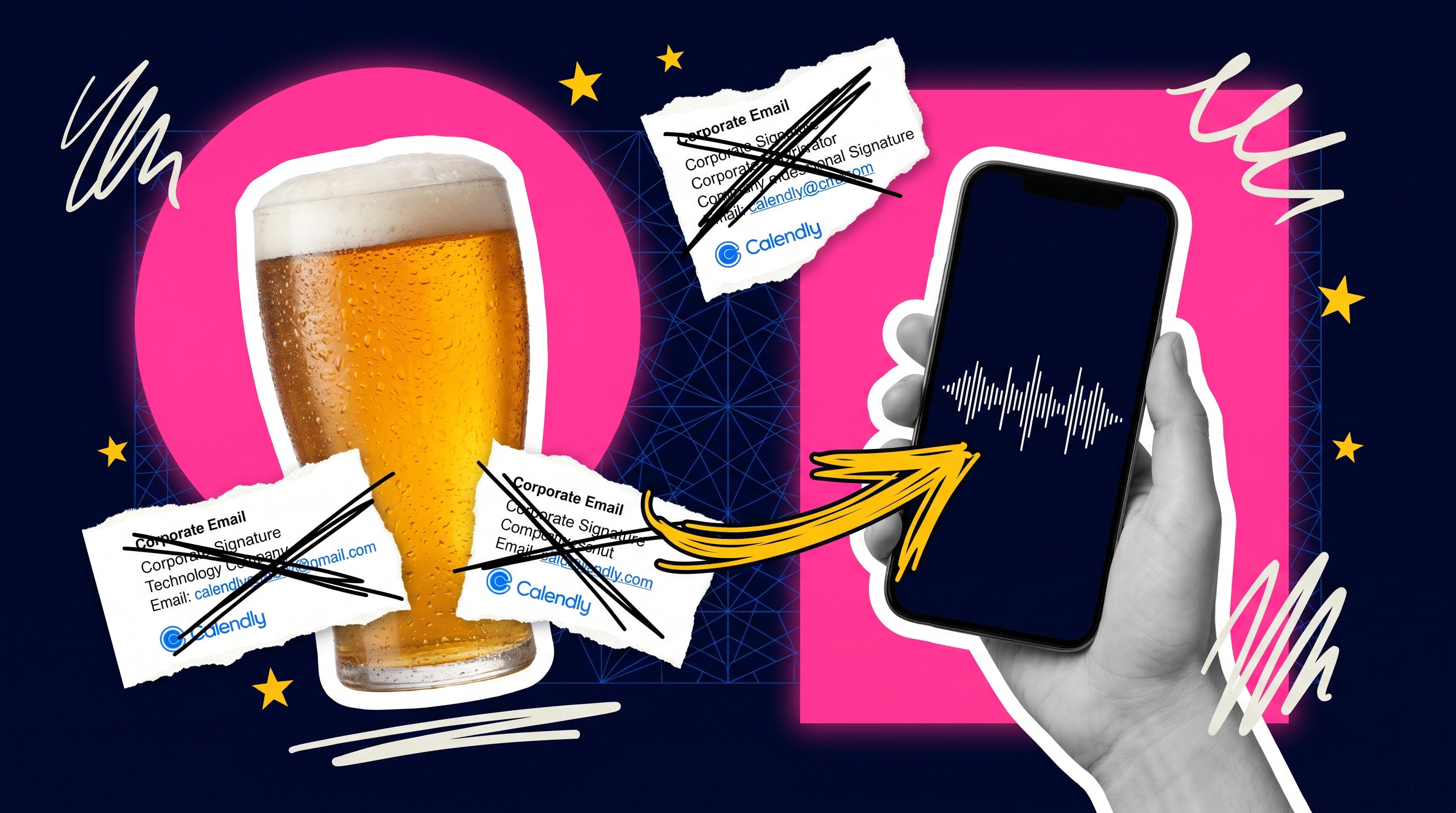
There are five tells of AI outreach a UK buyer spots in seconds. The greeting is too warm for a cold email. “I hope you’re well” from a stranger is a red flag. No one believes that. The flattery is generic. “I loved your recent post” without naming the post. The value proposition is vague. “We help businesses like yours grow” without saying how. The call to action is too soft. “I’d love to grab a coffee” instead of a specific ask. The signature is too polished. A full title, a Calendly link, and a company logo in every email. Real people send messy emails. Real people don’t have time to format a signature block.
So what works instead? Voice notes. A thirty-second voice message shows you’re a real person with a real voice. It breaks the pattern of text. Hand-drafted emails with one typo. Not deliberate mistakes, just natural writing. Named people. “Sarah suggested I reach out” instead of “I found you on LinkedIn”. Specific problems. “You missed your Q1 target” instead of “I help with revenue”. British buyers respond to specifics. They punish polish. They reward preparation. Show them you did your homework, not that you automated it.
How AI should support, not replace, British outreach. Use it for research. Find the pain points. Map the org chart. Identify the trigger events that make this the right week to reach out. Write the first draft if you must. But then rewrite it. Add the awkward phrase. Remove the perfect sign-off. Make it sound like you wrote it on your phone while waiting for a train. Because that’s what a real person would do. The goal isn’t to sound perfect. The goal is to sound present.
The pub test. Before any outreach campaign launches, read three of your emails out loud as if you were ordering a pint. If they don’t sound like a real person talking, kill them. Rewrite them from scratch. Take out the polished phrases. Put in one sentence you’d actually say. AI for research, human for the words. Your pipeline will thank you. And your reply rate will go up.
Ben
PS. Three paid creator promotions were rejected because their content was AI-generated. Kieran Drew documented it. British buyers are doing the same thing to your outreach. They just don’t reply to tell you. They just ghost you. And you never know why.